
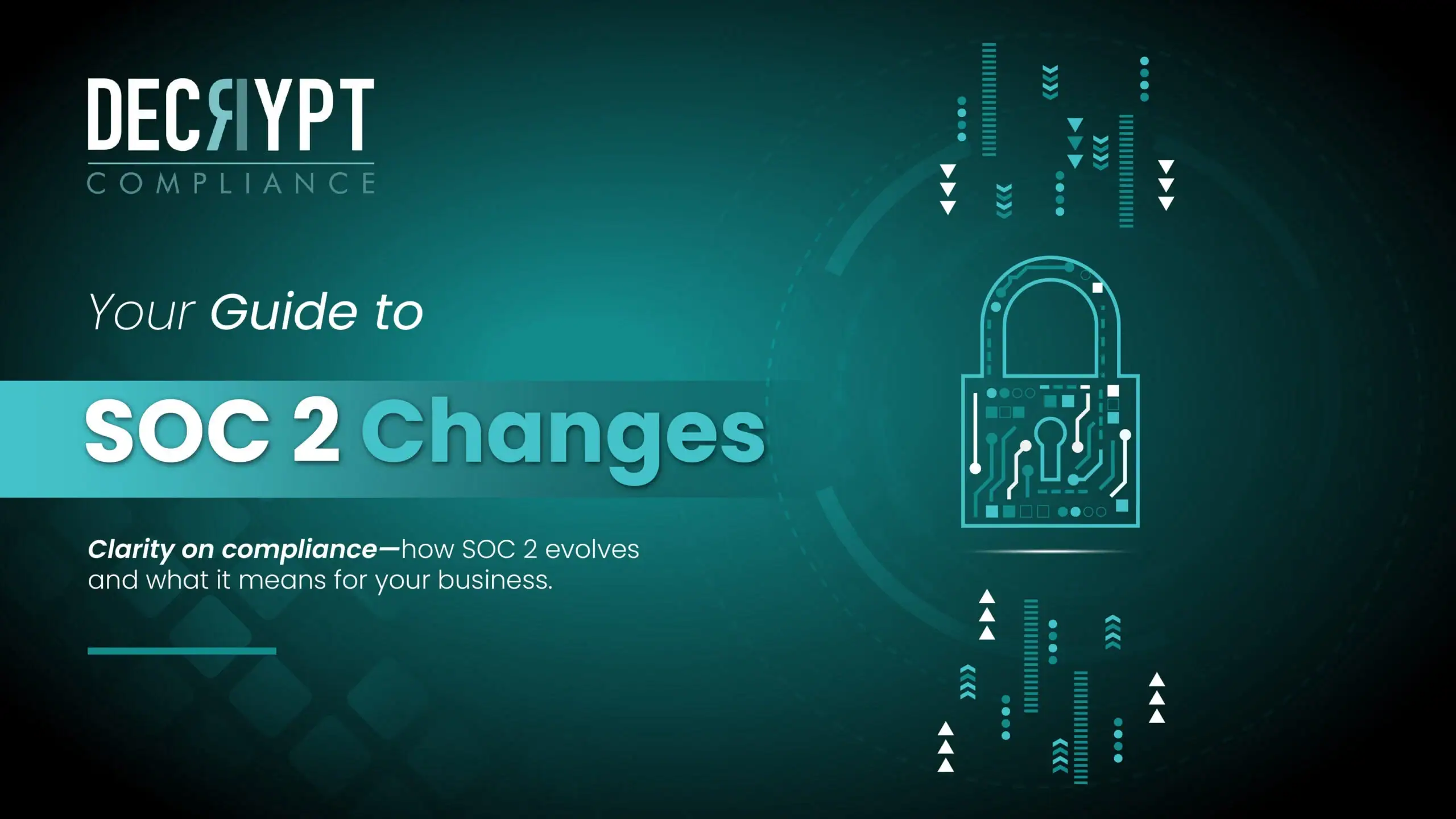
SOC 2 reports have become the standard for proving how well a company protects and manages sensitive data. First introduced in 2010, SOC 2 replaced earlier frameworks like SAS 70 and continues to evolve with new technology, risks, and regulatory expectations. This FAQ answers the most common questions about its history, key criteria, and why keeping your certification current is essential.
Companies that work with customer data need a way to prove their systems are safe, reliable, and transparent. This is central to doing business in the 21st century, no matter where your operations run. SOC 2 reports established fact-based proof, offering assurance to clients, regulators, and investors.
For some, though, there are questions about how SOC 2 has changed over the years, leading to questions about those changes and how older reports may or may not hold water. We want to address some of those questions about the history and evolution of SOC 2 to ensure your team understands what’s needed for your organization.
What is SOC 2?
SOC 2 is an attestation report that shows how well an organization meets standards for security, availability, processing integrity, confidentiality, and privacy. It has become a widely recognized way to prove trustworthiness in data handling. We’ve gone into more depth on SOC 2 before, so be sure to check out our blog to get more detailed information.
When Did SOC 2 Become Available?
SOC 2 was introduced in 2010 with the release of SSAE 16, which created the SOC reporting framework. This launch replaced outdated methods and addressed the growing need for reliable assessments of technology-driven environments.
What Certification or Framework Was Used Prior to SOC 2?
The predecessor to SOC 2 was SAS 70, issued in 1992. While it started as a standard for financial reporting controls, organizations began using it to address broader security concerns, paving the way for SOC 2’s more complete approach.
Who is Responsible for Creating and Managing SOC 2?
The American Institute of Certified Public Accountants (AICPA) created SOC 2 and continues to update and refine it. Their ongoing role ensures SOC 2 keeps pace with regulatory changes, industry practices, and new security threats.

What Are the Trust Services Criteria of SOC 2?
The Trust Services Criteria form the backbone of every SOC 2 report. They cover five areas: security, availability, processing integrity, confidentiality, and privacy. We’ve published a more detailed breakdown of the Trust Services Criteria previously, so be sure to read that article for additional clarity and information.
If I Got a SOC 2 Report Previously, Is It Still Good?
SOC 2 reports reflect the version of the framework in place at the time of the audit. Because the standards have evolved (sometimes significantly), older reports may not fully address today’s requirements. Keeping certifications updated is critical to show stakeholders that your controls meet the latest expectations.
Who Handles SOC 2 Audits?
SOC 2 audits are performed by licensed CPA firms that have the authority to issue attestation reports. Choosing the right provider matters because the process requires both technical knowledge and a business-focused approach.At Decrypt Compliance, we guide growing companies through the process efficiently, cutting out administrative overhead and keeping the focus on business value. If you need an updated SOC 2 or want to add another certification, contact us for rapid compliance at the ready. We’ll help you move fast and stay ahead of the curve.